Overview
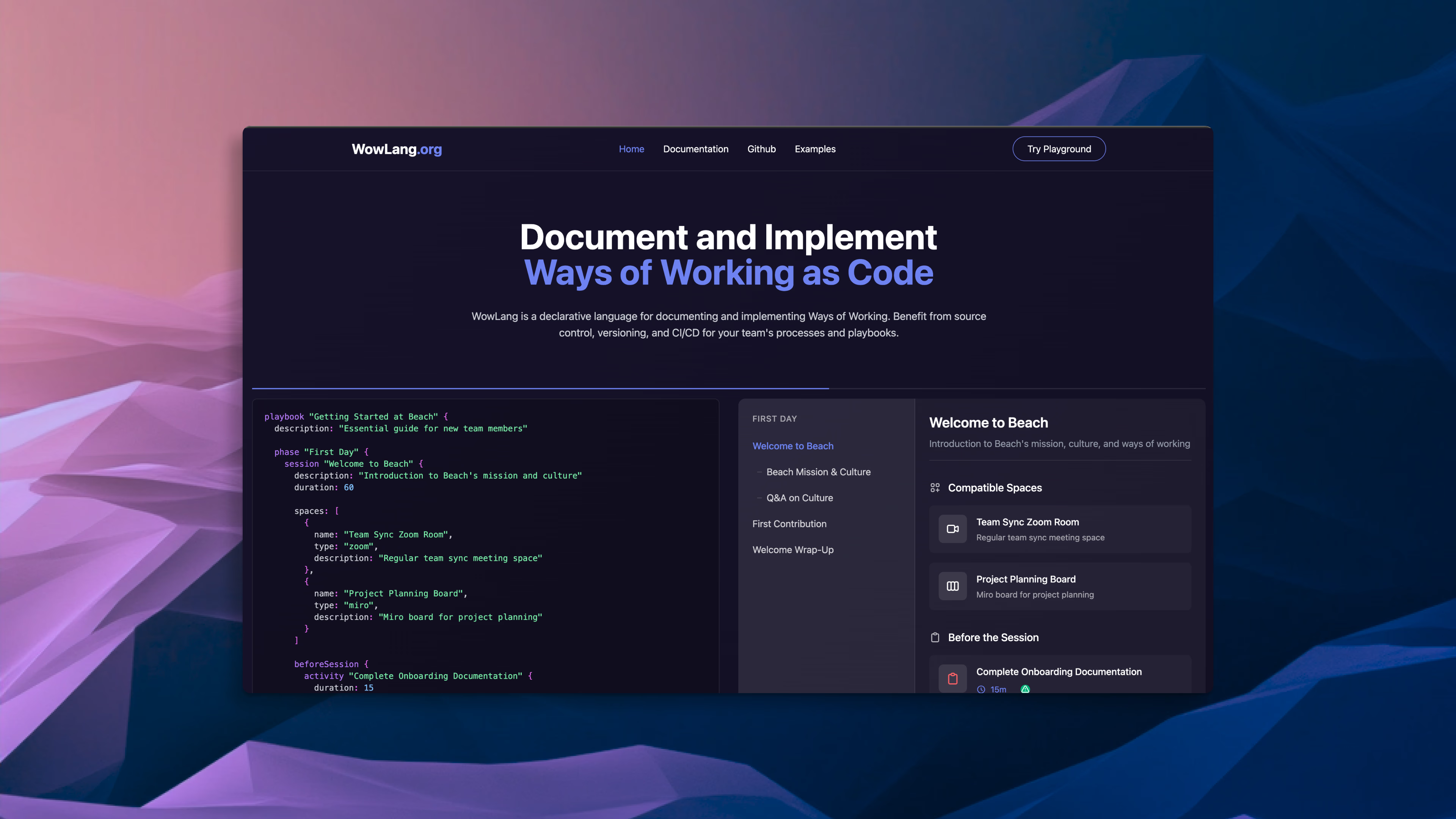
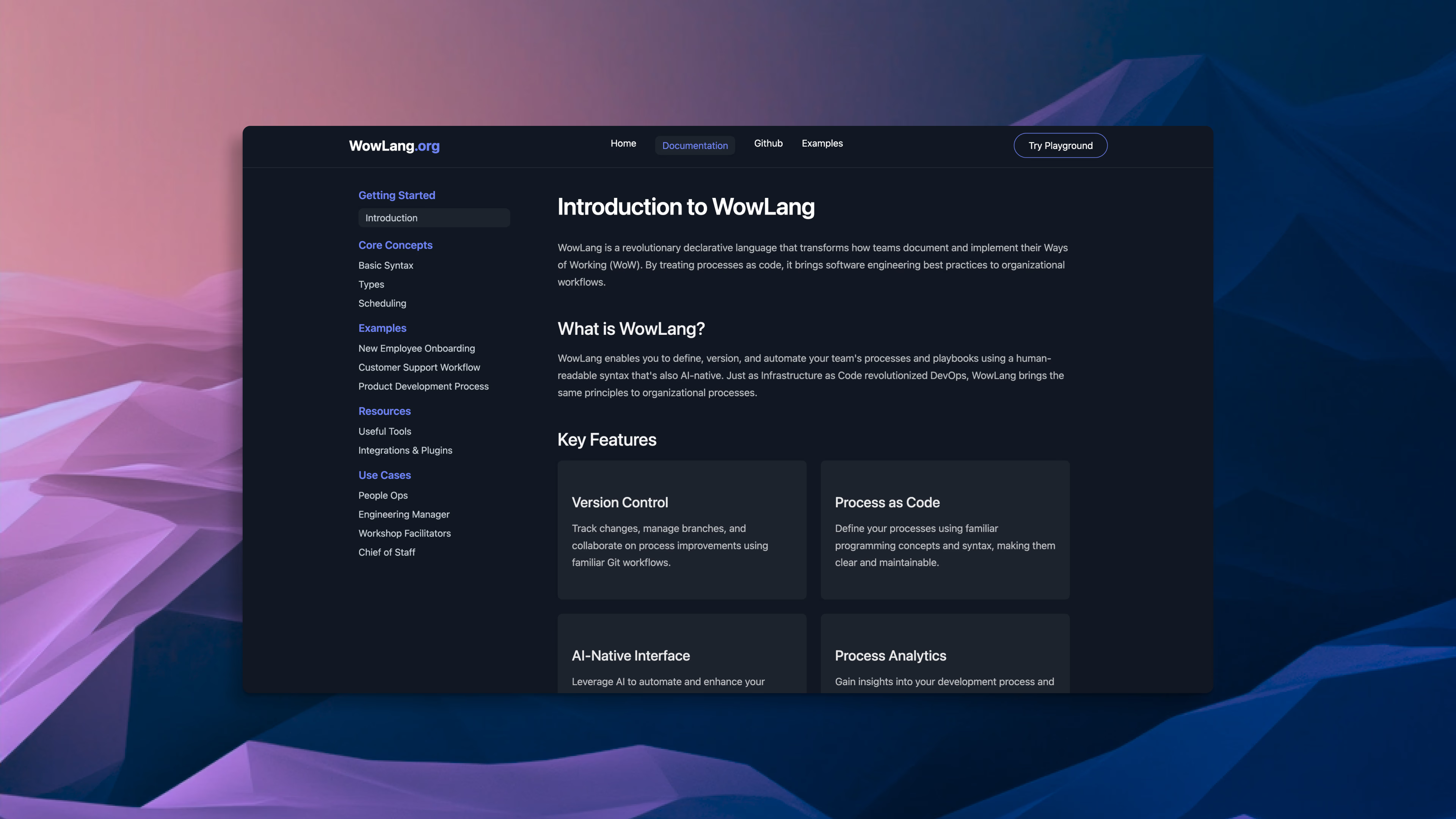
Teams today operate across distributed tools, time zones, and disciplines — yet the orchestration of that work is scattered across calendars, documents, and intuition. WowLang introduces a shared, structured language for workflow design, enabling clarity, reusability, and automation at scale. It's a governance model, not a runtime system — a declarative description of how work should happen that runtime systems consume to guide execution.
The Hierarchical Model
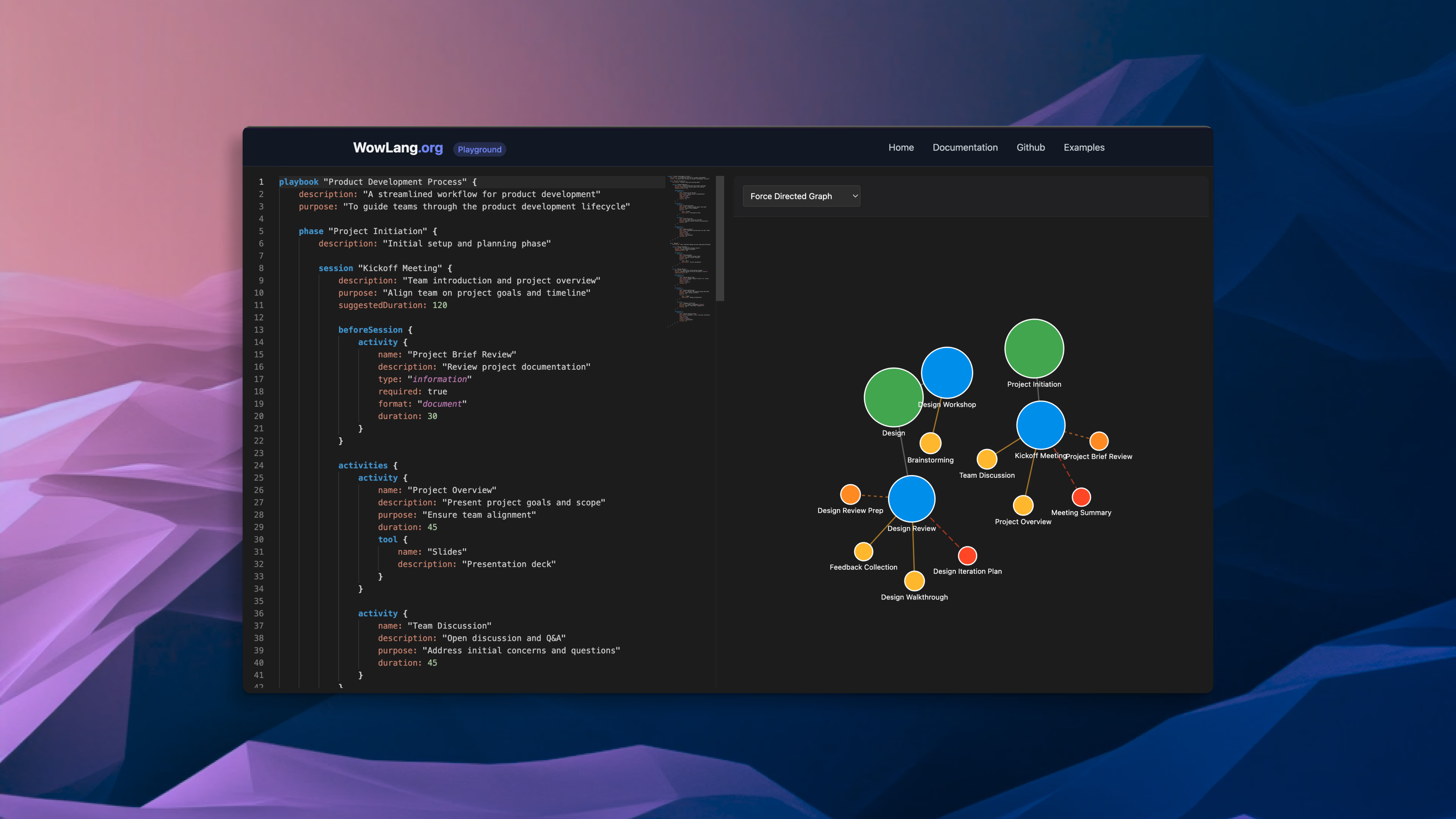
WowLang is built around a simple yet expressive hierarchy that enables nesting and reuse while staying approachable for non-technical users.
- Playbooks — the top-level container for a complete workflow or way of working
- Phases — major stages or milestones within a playbook
- Sessions — time-boxed moments of collaboration or focus (meetings, workshops, sprints)
- Activities — discrete tasks, prep work, or output actions associated with a session
Governance-Driven Scheduling
WowLang describes when things should happen without enforcing a rigid calendar. A structured schedule block expresses timing intent — whether loosely defined or highly prescriptive — while leaving actual execution to runtime systems.
- Recurrence types — daily, weekly, monthly, quarterly, with specific days and preferred times
- Guardrails — min/max intervals to define acceptable cadence boundaries
- Global coordination — timezone-aware scheduling with exclusion dates for holidays
Designed for Integration
WowLang files are parsed into structured objects (mirrored in TypeScript interfaces) designed for consumption by workflow engines, scheduling assistants, calendar integrations, no-code tools, and analytics systems. The language is extensible and forward-compatible, supporting future concepts like dependencies, conditions, role-based access, and tool automation.
Use Cases
- Team Playbooks — document and evolve how your team runs retrospectives, product reviews, or planning cycles
- Onboarding Journeys — structured, progressive sessions and actions for new hires without hardcoding dates
- Product Development Workflows — codify repeatable design and delivery phases for consistent outcomes
- Client Engagement Models — standard processes for discovery, delivery, and feedback loops across engagements
Philosophy
Inspired by configuration languages like Terraform, storytelling approaches like Markdown, and modular systems thinking. WowLang intentionally separates prescription from execution — flexible enough for creative teams, strict enough for regulated environments. It prioritises clarity over cleverness, and guidance over control.
Status
Active development — parser, documentation engine, and playground in place.